

How Community Legal Clinics Build Trust Through Strategic Partnerships
Build authentic connections with community organizations, legal aid networks, and local advocacy groups who already serve the same communities you do. Professional link building services canada can help amplify your clinic’s reach, but the most powerful links come from genuine partnerships with tenant associations, immigrant settlement agencies, food banks, and social service providers who trust your work and want their clients to find you.
Create valuable resources that partner organizations will naturally want to share on their websites. Develop plain-language guides about tenant rights, employment standards, or immigration processes that community centers can link to from their resource pages. Host free legal information workshops at libraries, community centers, and places of worship, which often leads to website mentions and referrals that strengthen your online presence.
Connect with local journalists covering housing crises, workers’ rights, and access-to-justice issues. When reporters need expert commentary on legal challenges affecting low-income communities, your clinic becomes a trusted source worth linking to in their articles. This visibility helps people in crisis find your services exactly when they need them most.
Participate in coalition work addressing systemic barriers to justice. When your clinic joins campaigns with housing advocates, labour organizations, and anti-poverty groups, these partnerships create natural linking opportunities that signal to search engines and community members alike that you’re a trusted resource. Every quality link represents another pathway for someone facing legal challenges to discover the free support you provide.
Why Community Legal Clinics Need Strong Online Connections
Reaching People in Crisis Through Trusted Sources
When you’re facing a legal problem, you probably won’t start by searching “legal clinic near me.” Instead, you’ll likely reach out to someone you already know and trust—a social worker, a settlement counsellor, a housing advocate, or a community worker who has helped you before.
This is how most people actually find legal help. They discover clinics through the organizations and people they’ve already built relationships with in their community. A tenant facing eviction might learn about free legal services from their building’s tenant association. A newcomer dealing with immigration challenges might hear about a clinic from their settlement agency. Someone struggling with social assistance issues might get referred by their case worker.
That’s why building connections with trusted community partners is so important for legal clinics. When these organizations include information about your clinic on their websites, in their resource lists, and in their referral networks, they’re creating pathways for people to find help exactly when they need it most.
These partnerships work because they’re built on shared values and genuine relationships. Community organizations recommend your services because they know you’ll treat their clients with dignity and respect. They link to your emergency resources because they’ve seen how you’ve helped their community members before.
This community-centered approach ensures that legal help reaches people through voices they already trust, making justice more accessible to everyone.
Building Credibility in Your Community
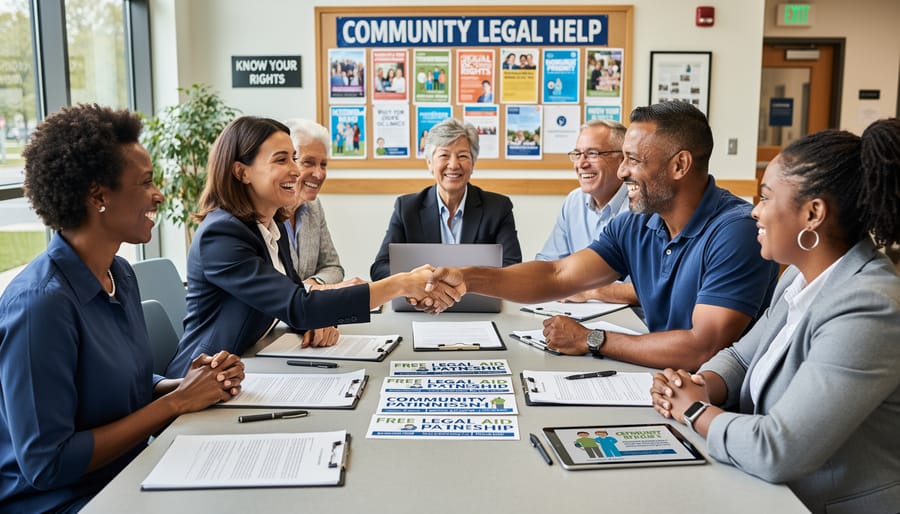
When your legal clinic partners with trusted community organizations, you build a network of support that helps more people find the help they need. These partnerships do more than increase your online visibility – they create real pathways for individuals facing legal challenges to access justice.
Working alongside local food banks, settlement agencies, community health centers, and advocacy groups establishes your clinic as a reliable resource within the community fabric. When these organizations link to your services on their websites or include your information in their resources, they’re telling their clients and members that you’re a trustworthy place to turn when legal problems arise.
This collaborative approach benefits everyone. Community partners can better serve their clients by connecting them with free legal support, while your clinic reaches people who might not know where to find help. A newcomer visiting a settlement agency’s website might discover your immigration services, or someone at a tenant support group could learn about their housing rights through your clinic.
These authentic relationships demonstrate your commitment to serving the community, not just appearing in search results. By standing alongside organizations that share your values of justice and accessibility, you strengthen the entire support system that helps vulnerable individuals navigate difficult times.
Natural Partnership Opportunities for Legal Clinics
Community Organizations and Social Services
Building meaningful partnerships with community organizations creates pathways for people to find the legal help they need. Food banks, shelters, immigrant settlement agencies, and other frontline services already connect with individuals facing legal challenges daily. These organizations trust you when they understand how your clinic can support their clients.
Start by reaching out with genuine interest in their work. Attend community meetings, volunteer at local events, and listen to the challenges frontline workers encounter. Many housing issues, employment disputes, and immigration concerns have legal solutions, but people may not realize free help exists. When you build relationships based on mutual respect and shared goals, these organizations become natural partners in connecting people to community resources.
Offer practical value to these partners. Provide simple referral cards, host brief training sessions on recognizing common legal issues, or offer to present at their staff meetings. Make it easy for them to connect clients to your services with clear contact information and straightforward intake processes.
When organizations link to your clinic from their websites or include your information in their resource guides, it strengthens your online visibility while serving the community. This authentic collaboration ensures that when someone visits a food bank struggling with an eviction notice or meets with a settlement worker facing workplace discrimination, they learn that free legal support is available. These partnerships transform your clinic from an unknown resource into a trusted part of the community safety net.
Local Government and Public Resources
Building connections with local government and public resources helps ensure community members can find your clinic when they need help most. Start by contacting your municipal social services department to have your clinic included in their official resource listings. These directories are often the first place people turn when seeking support, making them invaluable for reaching those facing legal challenges.
Toronto Public Health and other regional health authorities maintain comprehensive resource pages for vulnerable populations. Reach out to request inclusion, emphasizing how legal support connects to health outcomes—housing stability, workplace safety, and family security all impact well-being. Many municipalities also operate 211 services and community information centers that coordinate local service directories across multiple sectors.
Connect with your city councillor’s office and community liaison staff who often maintain neighborhood resource guides. Public libraries frequently compile service information for residents and welcome partnerships with organizations serving their communities. By establishing these relationships, you create multiple pathways for people to discover your clinic, ensuring that legal support reaches those who need it most while building trust through official endorsements.
Educational Institutions and Libraries
Building relationships with educational institutions creates meaningful pathways to connect with families who need legal support. Local schools, libraries, and community colleges serve as trusted gathering places where people already feel comfortable seeking help and information.
Consider offering free legal literacy workshops at your neighborhood library on topics like tenant rights, employment standards, or navigating government benefits. These sessions not only provide valuable knowledge to community members but also establish your clinic as a go-to resource. Libraries are often eager to partner with organizations that strengthen their community programming.
Community colleges frequently need guest speakers for social service and paralegal programs. Sharing real-world experiences helps students while building connections that bring more people to your services. High schools with diverse student populations may welcome presentations about youth legal rights or information sessions for parents facing common challenges like housing instability.
When educational institutions link to your clinic’s website from their resource pages or event calendars, they’re introducing your services to families through channels they already trust. These partnerships demonstrate your commitment to prevention and education, not just crisis response. Focus on creating genuine value for students, parents, and community members rather than simply seeking visibility. The relationships you build will naturally lead to stronger community awareness and increased access to justice for those who need it most.
Community Media and Local News
Local newspapers, community radio stations, and neighbourhood blogs are always looking for stories that matter to residents. Your legal clinic has these stories. When you help a family avoid eviction or assist someone in navigating the immigration system, you’re creating real impact in your community. Share these successes (with client permission) with local media outlets. Offer to write articles about common legal issues affecting West Toronto residents, or volunteer as an expert source when reporters cover housing, employment, or social services topics. Community radio shows often welcome guests who can explain tenant rights or employment standards in plain language. Neighbourhood blogs appreciate contributions that help their readers understand local resources. These relationships aren’t just about getting your clinic’s name mentioned online—they’re about extending your mission of access to justice through education. When community media links to your clinic’s website, it helps more people find the free legal support they need while building your online presence naturally.
Creating Content That Other Organizations Want to Share
Know Your Rights Guides in Plain Language
Creating plain-language guides about tenant rights, employment standards, and social assistance serves a dual purpose: it helps people in your community understand their rights while building valuable connections with organizations that serve similar populations. These shareable resources become natural link-building tools when they genuinely meet community needs.
Start by developing one-page guides on common issues your clinic addresses. Focus on questions you hear repeatedly: “Can my landlord enter without notice?” “What happens if I’m fired while on sick leave?” “How do I appeal a denied benefit?” Write each guide at a grade 8 reading level, using bullet points and clear examples rather than legal citations.
Make these guides easy for community partners to share. Create downloadable PDFs with your clinic’s contact information and partner logos when appropriate. Community workers at housing support programs, employment centers, and food banks will link to and share resources they trust won’t confuse their clients. When someone struggling to understand their rights finds your guide helpful, that authenticity builds credibility.
Distribute guides through community partner websites, neighborhood email lists, and local social service directories. Each placement creates a backlink while expanding your reach to people who might not know about accessing legal services. Update guides annually to reflect policy changes, which gives partners reason to re-share and maintain active links.
Remember, effective link-building happens naturally when you create resources that genuinely serve your community’s needs.
Culturally Responsive Resources
Creating resources that reflect the communities you serve opens doors to meaningful partnerships while helping more people access justice. When you develop materials in multiple languages—whether Spanish, Mandarin, Punjabi, Arabic, or others spoken in your neighborhood—you become a valuable resource for immigrant settlement agencies, cultural centers, and community associations.
Start by translating your most-requested guides into the languages your clients speak at home. Simple fact sheets about tenant rights, workplace protections, or immigration options can be shared by settlement workers, ESL programs, and faith communities. These organizations often link to trusted resources on their websites, naturally connecting their members to your services.
Consider different formats too. Some community members prefer video content with subtitles, while others benefit from audio recordings or visual infographics that don’t rely heavily on text. When cultural organizations see materials designed with their community in mind, they’re more likely to promote your clinic through their networks and websites.
Partner with community cultural centers to host workshops in their spaces. They’ll often feature these events on their calendars and resource pages, creating genuine connections between your clinic and the people who need you most. This approach builds trust and visibility simultaneously, ensuring no one faces legal challenges alone because of language barriers.

Community Legal Education Workshops
Hosting free legal education workshops in your community creates meaningful connections while naturally building your clinic’s online presence. When you offer sessions on topics like tenant rights, employment standards, or navigating government benefits, community centers, libraries, faith organizations, and neighborhood associations often promote these events on their websites and social media. These genuine partnerships result in quality links back to your clinic.
Start by identifying organizations already serving your target communities. Reach out with workshop proposals addressing real legal challenges your neighbors face. When partner organizations list your workshop on their event calendars or share information about the session, they typically include a link to your clinic’s website for registration or more information.
Document these workshops through photos and participant feedback (with permission), then share summaries on your own site. Partner organizations frequently link to these recaps when following up with their audiences. This approach builds trust within your community while creating authentic online connections that help more people discover your services. The relationships you develop through education workshops often lead to ongoing collaborations, creating sustained visibility for your clinic among those who need legal support most.
Building Relationships the Right Way
Starting Conversations with Community Partners
Reaching out to community partners starts with genuine connection and shared purpose. When introducing your legal clinic to potential collaborators, focus on how working together strengthens your ability to serve the community rather than simply asking for a website link.
Begin by researching organizations whose mission aligns with yours. Look for community centers, immigrant settlement agencies, food banks, housing advocacy groups, and social service providers already helping people facing similar challenges. These partners understand the barriers your shared community members experience.
Craft a personal introduction that acknowledges their important work. Explain briefly what your clinic offers and identify specific ways collaboration could help the people you both serve. Perhaps you could provide a free legal information workshop at their location, contribute a simple guide about tenant rights for their resource library, or offer to answer common legal questions in their newsletter.
Make your proposal concrete and easy to say yes to. Instead of vague partnership ideas, suggest specific activities with clear timelines and minimal burden on their organization. Offer to handle most of the work while respecting their expertise about community needs.
Keep your outreach message short, warm, and focused on mutual benefit. Share your contact information and invite conversation rather than expecting immediate commitment. Building trust takes time, especially when working with communities who have experienced barriers to accessing justice. Approach each potential partner with respect, patience, and genuine interest in their perspective on how you can work together to create meaningful impact.

Maintaining Long-Term Partnerships
Building meaningful connections with community partners takes time and ongoing care. Once you’ve established relationships with local organizations, housing advocates, settlement agencies, and community groups, the real work begins in keeping those partnerships strong and mutually beneficial.
Stay in regular contact through simple check-ins, even when you don’t need anything specific. A brief email or phone call every few months shows you value the relationship beyond just website links. Share updates about your clinic’s work, new services you’re offering, or legal issues affecting the community you both serve.
Look for ways to support your partners’ work too. Attend their events, share their resources with your clients, and promote their programs through your channels. When you see opportunities that align with their mission, think of them first. This two-way support strengthens trust and creates lasting bonds.
Collaborate on shared advocacy efforts that benefit the communities you serve. Whether it’s pushing for tenant protections, fair employment practices, or improved access to social assistance, working together amplifies everyone’s voice. Co-host community legal education workshops, contribute to each other’s newsletters, or join forces on awareness campaigns.
Remember that people change roles and organizations evolve. Keep track of staff transitions at partner organizations and take time to introduce yourself to new contacts. Building personal connections with the individuals behind the organizations ensures continuity even as circumstances shift.
These simple, consistent practices create partnerships that grow stronger over time, helping more people find the legal support they need.
Canadian-Specific Considerations for Legal Clinics
Working Within Legal Advertising Guidelines
When building connections with community organizations and local partners, legal clinics must follow professional guidelines set by the Law Society of Ontario. These rules exist to protect the public and ensure legal services maintain high standards. The good news is that genuine community partnerships naturally align with these guidelines.
The Law Society permits legal clinics to share accurate information about their services through community connections. What matters is honesty and avoiding misleading statements. When partnering with local housing advocates, settlement agencies, or community centers, focus on educating people about available services rather than promotional advertising.
Building relationships with community organizations serves a dual purpose: it helps people in need find your services while following professional standards. For example, providing workshops at a neighborhood center or contributing helpful legal information to community websites offers value while increasing your clinic’s visibility.
Always ensure any online presence accurately represents your services, qualifications, and areas of practice. Avoid making guarantees about legal outcomes or comparing your clinic to others. Instead, emphasize your commitment to access to justice and serving the community. These authentic connections strengthen trust and help reach more individuals who need support, all while maintaining professional integrity and compliance with regulatory requirements.
Leveraging Provincial Legal Networks
Building connections with provincial legal networks strengthens your clinic’s visibility while supporting the community you serve. Organizations like Legal Aid Ontario and Community Legal Education Ontario (CLEO) offer valuable partnership opportunities that naturally create online visibility through shared resources and referrals. When your clinic collaborates with these established networks, you gain credibility and reach people who need your services most. Consider contributing articles to CLEO’s accessible legal education materials or participating in Legal Aid Ontario’s community programs. These authentic relationships often result in your clinic being featured on trusted websites, helping more people discover how to apply for legal aid and access the support they deserve. Focus on genuine collaboration rather than simply seeking recognition, as meaningful partnerships naturally enhance your online presence while advancing access to justice for all.
Measuring What Matters: Impact Over Metrics
When you’re working to connect more people with legal help, you don’t need fancy dashboards or complicated numbers to know if your efforts are working. What matters is whether real people are finding you when they need support.
Start by paying attention to simple signs that tell the story. Are people calling or visiting your clinic saying they heard about you from a community partner? When someone contacts you, ask them how they found you. Keep a simple tally, perhaps in a notebook or basic spreadsheet. If you’re seeing more people mention the community center, library, or settlement agency where you’ve been building relationships, that’s meaningful progress.
Look at whether you’re reaching new communities. If you partner with a newcomer support organization and suddenly receive more calls from recent immigrants, that partnership is working. If you connect with a tenants’ association and more people contact you about housing issues, you’re making a difference.
Track the questions people ask when they first reach out. Are they better informed about their rights? Do they mention reading something on a partner organization’s website? This shows your educational efforts are helping people understand they have options before crisis hits.
The most important measure is this: are more people getting help who need it? Count how many new clients you serve each month. Notice if people are reaching you earlier in their legal problems, when solutions are often simpler. These indicators show you’re building trust and awareness in your community.
Remember, effective outreach isn’t about perfect numbers. It’s about genuine connections that help people access justice. When community members know where to turn and feel comfortable reaching out, you’re succeeding at what truly matters.
At its heart, link building for legal clinics isn’t about gaming search engines or chasing metrics. It’s about weaving your clinic into the fabric of your community so that people who need help can actually find you. When you build genuine partnerships with tenant associations, newcomer settlement services, food banks, and community health centers, you’re not just creating website links. You’re building bridges that connect people facing legal challenges to the support they desperately need.
The most effective approach focuses on relationships that align with your mission to increase access to justice. Partner with organizations that serve the same communities you do. Share resources, co-host workshops, and create content that truly helps people understand their rights. These authentic connections naturally lead to the online visibility that brings more people through your doors.
Remember, every partnership you build and every link you earn represents real people who might discover your services when they need them most. Focus on serving your community well, and the connections that increase your reach will follow naturally. Your work matters, and helping people find you means more families get the legal support they deserve.