

How to Access Free Immigration Legal Services in West Toronto
Accessing free immigration legal services in West Toronto starts with contacting community legal clinics, nonprofit organizations, and pro bono programs that serve low-income residents. Many organizations offer initial consultations, document review, and representation for eligible cases, though availability varies and waitlists can stretch weeks or months depending on case complexity and program capacity.
If you’re facing deportation, family sponsorship denials, work permit issues, or refugee claims, free legal help may be available to you. The immigration system is complicated, and having a qualified lawyer or legal worker can make a real difference in how you present your case and understand your options.
Not every situation will qualify for free services. Most programs prioritize cases involving urgent removals, humanitarian claims, or individuals who cannot afford paid representation. Some accept only specific case types, while others limit intake to certain neighborhoods or demographics. This doesn’t mean you’re without options, but it does require persistence and flexibility as you search for the right fit.
Knowing where to start, what documents to gather, and how to verify that a service is legitimate will save you time and protect you from immigration fraud. The steps below walk you through finding trusted free legal support, preparing for your first meeting, and recognizing quality representation when you see it. While resources are limited and wait times real, community-based immigration legal services exist across West Toronto to help people understand their rights and build stronger cases.
What You Need to Know Before You Start
Gathering the right information before you reach out for immigration legal help can make a real difference in how smoothly your first conversation goes. While free services are available to many people in West Toronto, having your documents and details organized helps legal workers understand your situation quickly and use the limited appointment time effectively. Keep in mind that not every case can be taken on immediately, and some organizations have waitlists, so being prepared shows you’re serious about your situation and helps providers assess how they might assist you.
Before you contact a community legal clinic or nonprofit organization, collect these materials if you have them:
- Your passport and any previous passports
- All visa documents, work permits, or study permits you’ve received
- Letters or emails from Immigration, Refugees and Citizenship Canada (IRCC) or the Canada Border Services Agency (CBSA)
- Copies of any applications you’ve submitted, including receipts and reference numbers
- A simple timeline of important dates in your immigration journey
- Written notes about your main concerns and questions
Don’t worry if you don’t have everything on this list. Bring what you can. If documents are in another language, mention that when you call, many clinics work with interpreters. Writing down your questions beforehand helps you remember what matters most to you, especially if you feel nervous or if English isn’t your first language. The goal is to give whoever helps you a clear picture of where you are and what you need, even though they may not be able to take on every case or provide immediate solutions.

Understanding Service Eligibility and Limitations
Free immigration legal services in West Toronto typically prioritize applicants based on financial need and the nature of their immigration matter. Most community legal clinics require you to meet income thresholds, generally, if your household earns below a certain level (often aligned with Legal Aid Ontario’s financial eligibility for immigration cases), you’re more likely to qualify. Geographic boundaries matter too: many clinics serve only residents within specific Toronto neighborhoods or postal codes, so you’ll need to confirm that your address falls within their catchment area.
Not every immigration case can be taken on. Organizations often focus on matters like refugee claims, family sponsorship, work permits, and deportation defense, but capacity limits mean they may need to prioritize urgent or particularly vulnerable situations. Some clinics cannot handle complex federal court appeals or cases requiring extensive litigation. Availability fluctuates with staff resources, funding cycles, and current demand.
Understanding these realities upfront helps you plan accordingly. If one organization cannot assist you, ask if they can refer you to another service or suggest alternative resources. Being prepared for possible delays or limitations doesn’t mean you won’t find help, it means you’ll approach the process with realistic expectations and a plan to keep advocating for yourself.

Step-by-Step: How to Access Free Immigration Legal Help
Finding Organizations That Offer Free Immigration Legal Services
Finding community legal organizations that provide free immigration help takes some searching, but several accessible options exist in West Toronto. Start with community legal clinics in your neighborhood. Parkdale Community Legal Services and West Toronto Community Legal Services both offer immigration law support and serve people living in specific postal codes with low incomes. You can call them directly or visit their offices to ask if you fall within their service area and if they have capacity to take your case.
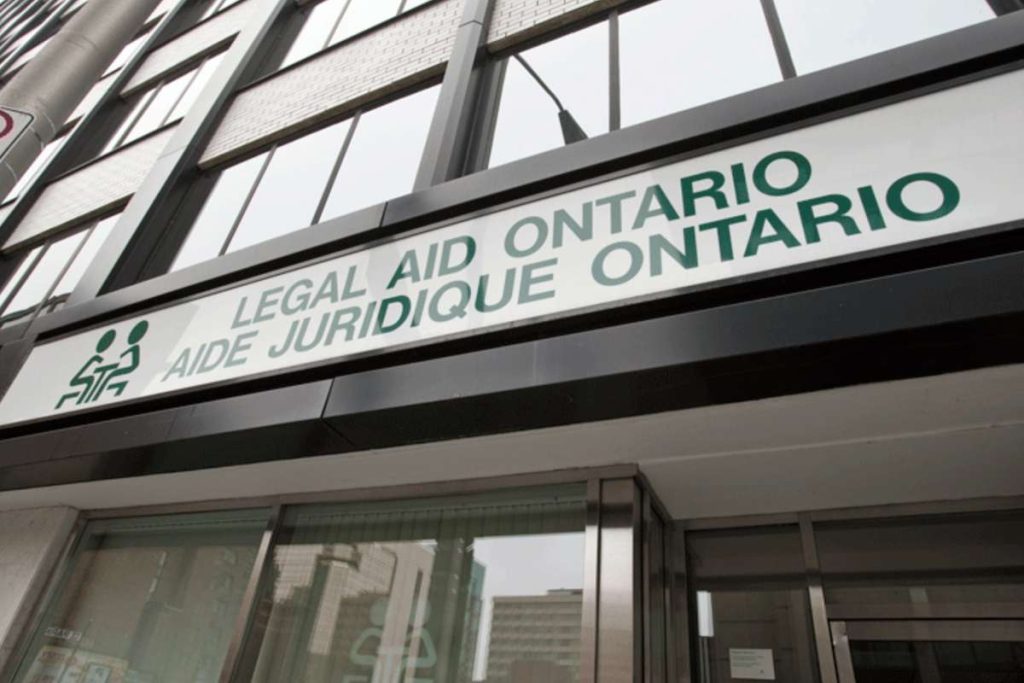
Legal Aid Ontario provides free legal services to eligible individuals, though availability depends on your income level and the type of immigration matter you’re facing. Not all immigration issues qualify, and waitlists can be long. You can check their website or call their hotline to learn whether your situation may be within scope.
Local settlement agencies and immigrant-serving organizations often know which legal services are currently accepting new clients. Organizations like COSTI Immigrant Services or the Centre for Spanish Speaking Peoples can point you toward available legal resources, even if they don’t provide direct legal representation themselves.
Keep in mind that free services have limited capacity. Some organizations may not be able to take your case due to waitlists, eligibility restrictions, or lack of resources. If one organization can’t help, ask them to suggest other options you can try.
Making Your First Contact
When you reach out to a free immigration legal service, you’ll likely speak with an intake worker first. They’re not there to judge your situation, they need basic information to understand how they might help. Be ready to briefly explain your immigration status and the challenge you’re facing. Many organizations serve multiple people with limited capacity, so your first call may result in being added to a waitlist rather than an immediate appointment.
Most intake processes ask for your name, contact information, and a summary of your immigration matter. You might be asked about your income to confirm eligibility, and whether your issue falls within the types of cases they handle. Some services can only accept certain immigration matters due to funding or expertise constraints.
If the first organization you contact can’t help, ask if they know of other services that might. Keep a list of who you’ve contacted and what they told you. It’s frustrating when you hear “we’re at capacity,” but persistence matters. Bring the documents you’ve gathered to any initial phone screening or in-person visit, it shows you’re serious and prepared, and it helps intake workers assess your situation more quickly.
Your Initial Consultation
Your first meeting with a free legal service provider typically lasts 30 to 60 minutes. The staff person or volunteer lawyer will ask about your immigration history, current status, and the specific issue you’re facing. They need to understand your timeline, any deadlines you’re aware of, and what documents you’ve already received from immigration authorities.
Speak clearly and honestly about your situation. Don’t leave out details that might seem embarrassing or complicated, they’ve heard it all before, and full information helps them assess whether they can take your case. If you don’t understand a question, ask them to explain it differently. Bring a friend or family member if that helps you feel more comfortable, and ask for an interpreter if you need one.
Ask direct questions: Can you help with my type of case? What are the next steps? How long might this take? Will I work with the same person throughout? What happens if you can’t take my case, where else can I try? Not every organization can accept every case due to capacity limits or case type restrictions, so understanding your options early matters. Take notes during the meeting so you remember what was said and what you need to do next.

Types of Immigration Issues These Services Can Address
Free immigration legal services in West Toronto commonly address a range of immigration matters, though what each organization can take on depends on their funding, staff capacity, and area of focus. Many clinics help with refugee claims, assisting individuals who are seeking protection in Canada to prepare their cases and understand the process. Permanent residence applications are also frequently supported, including applications based on family sponsorship, humanitarian and compassionate grounds, or other immigration streams.
Work permit and study permit issues often fall within scope, particularly when someone’s status is at risk or they need help understanding their options. Family sponsorship applications, where Canadian citizens or permanent residents sponsor relatives to come to Canada, are another common area, as are deportation defense cases where someone is facing removal from Canada and needs advocacy.
Immigration appeals, such as challenging a refused application or a removal order, may be handled depending on the complexity and the clinic’s expertise. Some organizations also assist with:
- Applications to extend or restore temporary status in Canada
- Inadmissibility issues and overcoming barriers to entry
- Citizenship applications and challenges
- Detained persons’ rights and release hearings
- Requests for reconsideration of refused applications
That said, not every organization can help with every type of case. Some clinics focus specifically on refugee matters or detention issues, while others may not have capacity for complex appeals or federal court applications. Highly specialized cases, or those requiring extensive litigation, may exceed what free services can provide given their limited resources. During your initial consultation, ask directly whether your specific immigration issue falls within the organization’s scope, they will be honest about what they can and cannot take on, and may refer you to other resources if your case is outside their capacity.
How to Know If You’re Getting the Right Help
Good legal help means someone takes time to understand your situation, explains your options clearly, and answers your questions with patience. Your support person should listen without rushing you, explain what documents you need and why, and outline realistic next steps in language you can follow. They should respect your dignity, never pressure you into decisions, and acknowledge when something is outside their expertise.
Watch for warning signs. If someone guarantees a specific outcome, asks for money when services are supposed to be free, or makes you feel ashamed about your situation, trust your instincts. You deserve someone who treats you with respect. If your support person doesn’t return calls within a reasonable time, misses appointments without explanation, or seems unfamiliar with immigration processes, it’s fair to ask questions or request a different staff member.
You can seek a second opinion even while working with someone. Many organizations understand that immigration decisions carry high stakes. If you’re uncertain whether the advice makes sense for your situation, reach out to another community legal clinic or ask a trusted settlement worker for guidance. Advocating for yourself isn’t rude. It’s necessary, especially when your future depends on getting accurate, compassionate help that fits your specific circumstances.
Common Questions About Free Immigration Legal Services
Navigating free immigration legal services often raises practical questions. Here are answers to concerns people frequently have when seeking help.
How long does it take to get help?
Wait times vary widely depending on each organization’s capacity and caseload. Some clinics can see you within weeks, while others may have waitlists of several months. When you first contact a service, ask about current wait times and whether urgent cases receive priority.
What if I don’t speak English well?
Many community legal clinics in West Toronto provide interpretation services or have multilingual staff. When you call or visit, let them know what language you speak comfortably. If interpretation isn’t available immediately, they can usually arrange it for your appointment.
Can family members come with me to appointments?
Yes, you can bring family members for support, though confidential discussions will focus on your case. Some organizations encourage having a support person present, especially if they can help you communicate clearly or remember important details.
Is my information kept confidential?
Reputable legal service providers maintain strict confidentiality. Your immigration status, personal details, and case information are protected, and staff won’t share your information without your consent except in very limited legal circumstances.
If you’re turned away because a clinic has reached capacity or your case falls outside their scope, ask for referrals to other organizations that might help. Not every service can take every case due to resource constraints, but most providers will point you toward alternative options when possible. Keep trying different organizations if you need support.
If your case receives an unfavorable decision, don’t assume it’s final. Free legal services can often help you understand appeal options, deadlines, and next steps. Immigration processes can be complex, and having someone explain your options makes a significant difference in knowing how to move forward.
Reaching out for help with immigration matters takes courage, and you’ve taken an important step by learning about your options. Free immigration legal services exist in West Toronto to support people like you, though it’s important to know that resources are limited and not every case can be accepted immediately. Waitlists, eligibility requirements, and capacity constraints are real challenges these organizations face.
Even with these limitations, seeking help is a strength, not a weakness. You deserve access to advocacy and support as you navigate the immigration system. Community legal clinics and nonprofit organizations work hard to assist as many people as possible, and reaching out is how you discover what’s available to you. If one organization cannot help right away, they can often point you toward other resources or next steps.
Don’t let uncertainty stop you from making that first call or visit. The people who staff these services understand the barriers you face and are there to listen. Your situation matters, and taking action to find support is the right move, even if the path forward requires patience.