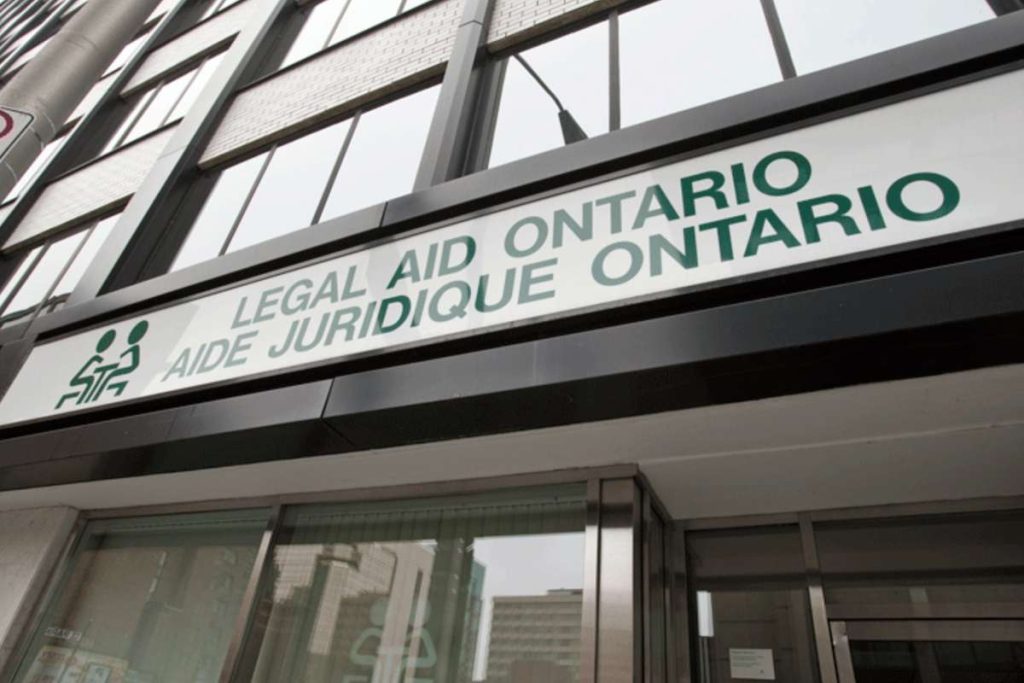


What to Do When Your Landlord Won’t Fix Your Apartment (Your Legal Rights Explained)
Document every interaction with your landlord in writing—keep copies of texts, emails, repair requests, and rent receipts, as this evidence becomes essential if your dispute escalates to the Landlord and Tenant Board. Know that Ontario law protects you from illegal evictions, harassment, and unsafe living conditions, and your landlord cannot force you out without following proper legal processes, regardless of what they might claim.
Contact your local community legal clinic immediately when a dispute begins, as free legal support exists specifically for low-income tenants facing issues like improper rent increases, needed repairs, or eviction notices. These clinics can review your situation at no cost and represent you at hearings if necessary. Understand the formal dispute resolution process: most conflicts must go through the Landlord and Tenant Board, where both parties present evidence before an adjudicator makes a binding decision, and you have the right to participate fully in this process.
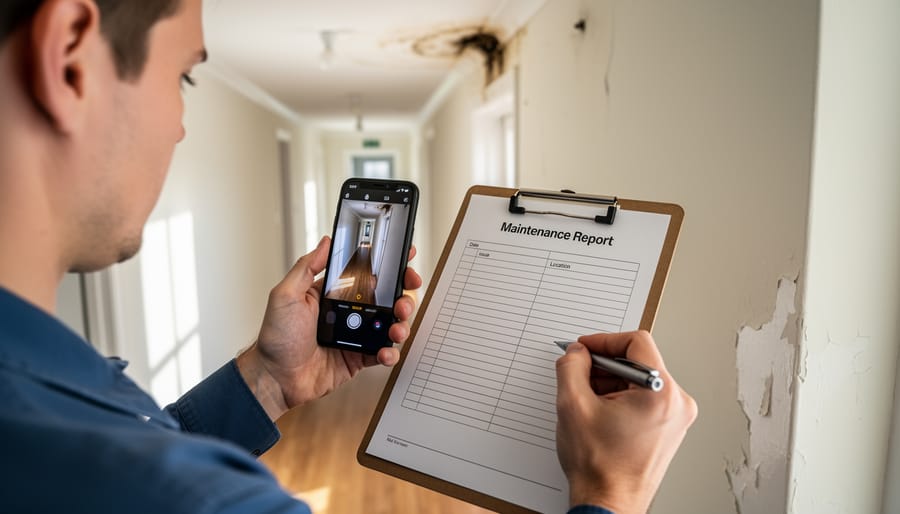
Take photographs of maintenance problems, record dates when issues occur, and send all requests to your landlord through methods you can prove they received. You deserve safe, dignified housing, and the law recognizes your rights as a tenant—knowing these rights and having proper documentation empowers you to stand firm against unfair treatment while pursuing resolution through appropriate channels.
Understanding Your Basic Rights as a Tenant in Ontario
As a tenant in Ontario, you have important legal protections under the Residential Tenancies Act. Understanding these rights can help you stand up for yourself when problems arise with your landlord.
Your first fundamental right is to a safe and livable home. This means your rental unit must meet basic health and safety standards. Your landlord is responsible for keeping the property in good repair, including working plumbing, heating, and electrical systems. You should have hot and cold water, protection from the weather, and a home free from pest infestations. If something breaks or needs repair, your landlord must fix it within a reasonable time.
You also have strong protection from illegal eviction. Your landlord cannot simply force you out, change the locks, or turn off utilities to make you leave. There is a specific legal process they must follow, and only the Landlord and Tenant Board can officially evict you. Even if your landlord gives you a notice to end your tenancy, you have the right to stay in your home until a Board hearing takes place and an order is issued.
Privacy is another key right. Your landlord must give you proper notice before entering your unit, except in genuine emergencies. Generally, they need to provide 24 hours written notice and can only enter between 8 a.m. and 8 p.m.
These rights belong to you regardless of your income, immigration status, or how you pay your rent. No one can take these protections away from you. If your landlord is not respecting your rights, know that help is available and you deserve to live with dignity and security in your home.

Common Landlord-Tenant Disputes You Might Face
Repairs and Maintenance Issues
Your landlord has important responsibilities to keep your home safe and livable. Under Ontario law, landlords must maintain your rental unit in good repair and meet health and safety standards. This isn’t just a courtesy—it’s a legal requirement.
Your landlord must address urgent issues promptly, including heating problems (especially during winter months), plumbing failures like leaks or blocked drains, electrical hazards, broken locks that compromise your safety, and pest infestations such as bedbugs, mice, or cockroaches. These repairs aren’t optional, and you shouldn’t have to live in unsafe or unhealthy conditions.
For heating specifically, your landlord must maintain a minimum temperature of 20 degrees Celsius between September and June. If your heat isn’t working, this requires immediate attention.
If your landlord refuses to make necessary repairs, document everything. Take photos, keep written records of your repair requests, and note any conversations. You have the right to file an application with the Landlord and Tenant Board. You can also contact municipal property standards or public health inspectors who can order your landlord to make repairs.
Remember, you cannot be evicted or punished for asking for repairs. That’s considered illegal retaliation, and you’re protected by law. Your home should be safe and well-maintained—you deserve that basic dignity.
Rent Increases and Payment Disputes
In Ontario, landlords can only raise your rent once every 12 months, and they must give you 90 days’ written notice using the official N1 form. The government sets a guideline each year that limits how much rent can increase—for most rental units, landlords cannot go above this amount without approval from the Landlord and Tenant Board. If your landlord raises your rent without proper notice or by more than the guideline allows, you don’t have to pay the increase.
If you’re struggling to pay rent, talk to your landlord as soon as possible. You might be able to work out a payment plan. Remember, your landlord cannot lock you out or shut off utilities, even if you’re behind on rent. They must follow the legal eviction process through the Landlord and Tenant Board.
When facing payment disputes, gather all your receipts and payment records. If you receive an eviction notice for non-payment, you still have time to pay what you owe and stop the eviction. Free legal clinics in West Toronto can help you understand your options, negotiate with your landlord, and represent you at hearings. You deserve stable housing, and support is available to help you stay in your home.
Eviction Notices and Threats
Your landlord must follow a specific legal process to evict you in Ontario. They cannot force you out simply by demanding you leave or threatening you. A proper eviction requires your landlord to serve you with an official notice from the Landlord and Tenant Board, and in most cases, a hearing must take place where you can present your side.
Illegal eviction tactics include changing your locks, removing your belongings, shutting off utilities, or physically threatening you to leave. These actions violate your rights, even if you’re behind on rent. If your landlord attempts any of these, you can call police and file a complaint with the Landlord and Tenant Board.
You have the right to stay in your home until the Board issues an eviction order and the Sheriff enforces it. This process takes time, giving you opportunities to resolve the situation, arrange payment plans, or find new housing. Don’t let intimidation push you out prematurely—you deserve fair treatment and due process under the law.
Steps to Take When a Dispute Arises
Document Everything
Keeping clear records is one of the most powerful tools you have in a landlord-tenant dispute. Documentation can make the difference in proving your case and protecting your rights. Start by saving all communications with your landlord, including emails, text messages, and letters. If you have phone conversations, write down the date, time, and what was discussed right away. Take photos or videos of any maintenance issues, damages, or problems in your rental unit with dates visible. Keep copies of all receipts related to your tenancy, including rent payments, repair costs you’ve covered, and moving expenses. Store these documents in a safe place, whether that’s a folder, envelope, or on your phone. You don’t need fancy systems—a simple notebook where you record events as they happen works well. If something feels important or concerning, write it down. This organized record becomes your evidence if you need to file a complaint or attend a hearing. Your documentation tells your story clearly and helps ensure your voice is heard.
Communicate in Writing
When dealing with a landlord-tenant dispute, putting everything in writing protects you and creates a clear record of what was said and when. Always send letters or emails instead of relying only on phone calls or conversations. Start by clearly stating the issue, include specific dates and details, and explain what you’re asking your landlord to do. Keep your tone respectful and factual, even if you’re frustrated. Save copies of everything you send and receive, including photos of problems like mold or broken appliances. If you send a letter by mail, use registered mail so you have proof of delivery. This paper trail becomes essential evidence if you need to take your case to the Landlord and Tenant Board. Having written records shows you tried to resolve the problem fairly and documents when your landlord was notified. This documentation strengthens your position and helps legal clinics or advocates understand your situation quickly when you seek support.
Know When to Seek Help
You don’t have to face landlord-tenant disputes alone. Reaching out for help early can prevent small problems from becoming bigger crises. Many people wait until they’re facing eviction or have lost their housing to seek support, but free legal services are available to you right now, whatever stage you’re in.
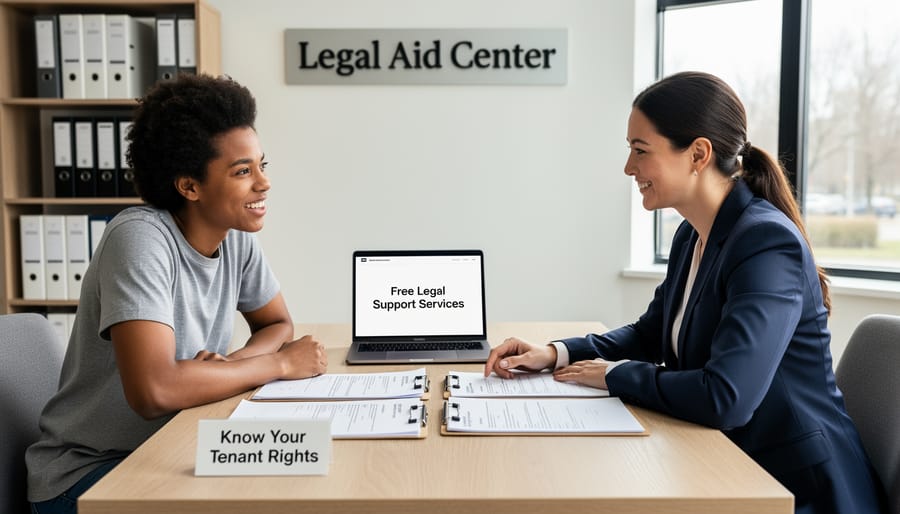
In West Toronto, community legal clinics offer free assistance to low-income residents dealing with housing issues. These services include legal advice, help understanding your rights, support with paperwork, and representation at the Landlord and Tenant Board. You don’t need to understand complex laws or navigate the system by yourself.
Getting help early means you have more options and stronger protections. Whether you’ve just received a concerning notice from your landlord, are dealing with unsafe conditions, or feel something isn’t right about your rental situation, that’s the right time to reach out. Your concerns matter, and support is here for you.
Filing an Application with the Landlord and Tenant Board
If informal solutions don’t work, you have the right to file an application with the Landlord and Tenant Board (LTB). The LTB is Ontario’s tribunal that resolves rental disputes fairly and legally. You can file when your landlord violates your rights—whether it’s illegal rent increases, harassment, poor maintenance, or improper eviction attempts.
Filing may feel overwhelming, but you don’t have to navigate it alone. The process involves completing the right application form, explaining your situation clearly, and providing any supporting documents like photos, emails, or receipts. There are fees, but if you’re facing financial hardship, you can request a fee waiver.
You deserve support through this process. Free legal clinics in West Toronto can help you understand which application to file, gather evidence, prepare your case, and even represent you at the hearing. Legal professionals who understand your community are ready to stand with you and ensure your voice is heard.
How the Landlord and Tenant Board Works
When you file an application with the Landlord and Tenant Board, you’re taking an important step toward resolving your dispute through Ontario’s legal system. Understanding this process can help ease anxiety about what lies ahead.
After you submit your application, the LTB will schedule a hearing and send you a Notice of Hearing with the date, time, and location. Hearings currently take place in person, by phone, or through video conference. You’ll typically wait several weeks to a few months for your hearing date, though timelines vary depending on the type of application and current processing volumes.
At the hearing, an adjudicator (similar to a judge) will listen to both you and your landlord present your cases. You’ll have the opportunity to explain your situation, show any evidence you’ve gathered like photos, emails, or receipts, and call witnesses if needed. The landlord will do the same. The adjudicator may ask questions to clarify details and ensure they understand both perspectives.
The atmosphere is less formal than a courtroom, but it’s still important to be prepared and organized. Bring multiple copies of all your documents and be ready to explain your situation clearly and calmly.
After hearing from both parties, the adjudicator makes a decision based on the evidence and the law. You’ll receive a written order explaining the decision, usually within a few weeks. This order is legally binding and can be enforced if necessary.
Remember, you don’t have to face this process alone. Community legal clinics offer free support to help you prepare your application, gather evidence, and even represent you at the hearing. Having someone knowledgeable by your side can make a significant difference in presenting your case effectively and protecting your rights.
Free Legal Support Available to You
You don’t have to face your landlord dispute alone. Organizations like Community Legal Information Association (Clia) exist specifically to support people like you through these challenging situations. These services are completely free and designed for individuals and families who cannot afford private lawyers.
Clia and similar community legal clinics can help you in several practical ways. They provide legal advice tailored to your specific situation, explaining your rights in plain language you can understand. If your case goes to the Landlord and Tenant Board, they can represent you during hearings, ensuring your voice is heard. They also help complete legal forms, which can feel overwhelming when you’re dealing with them alone. Beyond individual cases, these organizations advocate for fair housing policies that protect tenants across our community.
Many people hesitate to seek help, feeling embarrassed or worried they’re bothering someone. Please know that reaching out is a sign of strength, not weakness. These services exist because everyone deserves access to justice, regardless of their income. The lawyers and advocates at community clinics understand the stress you’re experiencing and are there to support you with compassion and respect.
You’ve already taken an important step by learning about your rights. Now take the next step and connect with the support available to you. You deserve safe, stable housing, and there are people ready to help you fight for it.
You don’t have to face landlord-tenant disputes alone. Understanding your rights is the first step toward finding a resolution, and help is available right here in your community. Whether you’re dealing with an eviction notice, unsafe living conditions, or unfair rent increases, you deserve support and someone who will listen to your concerns. Free legal services exist specifically to help people in situations like yours. Reaching out takes courage, but it’s also an act of self-advocacy that can make all the difference. Contact Clia or similar community legal clinics in West Toronto today. Your voice matters, and together we can work toward fair housing solutions.