

How to Apply for Social Assistance: Your Step-by-Step Access Guide
Accessing social assistance is a right, not a favor, and understanding the process helps you claim the support you’re entitled to. When you apply for assistance, you’ll need to complete an application, provide documents that verify your identity and income, attend an eligibility interview, and wait for a decision. The timeline and specific requirements vary by program and individual circumstances, but the core steps remain consistent. Many people feel anxious about making errors or being denied, but caseworkers are there to help you through each stage, and you have the right to ask questions and request clarification at any point.
This guide walks you through what to expect from start to finish. You’ll learn how to prepare your documents, what happens during your interview, and how to follow up if you don’t hear back or disagree with a decision. If you’re facing barriers or feel overwhelmed, community legal clinics and advocacy groups can support you. You deserve clear information and respectful treatment throughout this process.
Social assistance exists to help people meet basic needs during difficult times. Whether you’re dealing with job loss, health challenges, or family changes, applying doesn’t mean you’ve failed. It means you’re taking a practical step to stabilize your situation. The system can feel complicated, but you don’t have to navigate it alone. With the right information and support, you can move through the application with confidence and clarity.
Who Can Access Social Assistance in Ontario
In Ontario, two main programs provide financial support to people experiencing hardship: Ontario Works and ODSP (the Ontario Disability Support Program). Understanding which one might fit your situation is the first step, but don’t worry if the distinctions feel blurry. Eligibility is assessed on an individual basis, and caseworkers are there to help you figure out where you belong.
Ontario Works supports adults who need temporary help with living expenses while they look for work or address barriers to employment. Generally, you need to be a resident of Ontario, at least 18 years old (or 16 to 17 in certain circumstances, such as living independently), and experiencing financial need. This program can also include health coverage and other supports to help you stabilize.
ODSP is designed for people who have a substantial and long-term disability that affects their ability to work or care for themselves. You’ll need to meet residency and age requirements similar to Ontario Works, demonstrate financial need, and go through a medical adjudication process to confirm your disability. This program offers higher monthly support and recognizes that not everyone can work full-time.
Both programs assess your income and assets to determine eligibility. However, each person’s situation is different, what you own, who lives with you, and your individual circumstances all matter. If you’re unsure whether you qualify, it’s worth applying anyway. Many people assume they earn too much or have too many assets, only to find out they do qualify. Caseworkers and community advocates can walk through your specific details with you, and organizations like Clia are here to support you through the process without judgment.
Documents and Information You’ll Need

Gathering your documents ahead of time can make the application process smoother, but don’t let missing paperwork stop you from applying. Caseworkers are there to help you figure out what’s needed for your specific situation.
You’ll generally need proof of who you are. This could be a health card, driver’s license, birth certificate, or other government-issued identification. If you don’t have ID, your caseworker can work with you to find alternatives.
Proof of where you live is also important. A lease, utility bill, letter from your landlord, or even a statement from a shelter can work. If your housing situation is unstable or you’re staying with someone temporarily, explain that during your intake, there are ways to verify residence without a formal lease.
You’ll need to share information about your income and financial situation. Bring recent pay stubs if you’re working, bank statements, information about any benefits you receive, and details about assets like vehicles or savings. The caseworker will ask questions to understand your full financial picture, and honesty helps ensure you get the right level of support.
If you’re applying for disability support, medical documentation will be part of the process, though this often comes after your initial application.
Don’t worry if you’re missing something. Apply anyway. It’s much better to start the process and gather documents as you go than to delay seeking help because you think you’re not ready. Your caseworker can guide you through what’s needed next.
How to Submit Your Application

Submitting your application for social assistance is straightforward once you know your options. You have three main ways to start the process, and you can choose whichever feels most comfortable for you.
You can apply online through the Ontario government’s website, which allows you to work at your own pace and save your progress. If you prefer speaking with someone directly, you can call your local social assistance office to start an application over the phone. Many people find it helpful to apply in person at their municipal social services office, where staff can answer questions right away and help you through the forms.
Here’s what the process typically looks like:
- Contact your local office through your chosen method and let them know you want to apply for social assistance. If you need emergency support mention this right away.
- Complete the intake process, which involves providing basic information about your household, living situation, and current financial circumstances.
- Gather and submit the required documents we covered in the previous section, working with your caseworker if anything is missing.
- Attend your intake interview, either in person or by phone, where a caseworker will review your application and ask clarifying questions.
- Sign the completed application forms and any consent documents needed for verification.
During your intake interview, the caseworker will ask about your housing costs, income, assets, and household members. This isn’t an interrogation. They’re gathering information to assess your eligibility and determine the level of support you may receive. Answer honestly, and don’t hesitate to ask for clarification if you don’t understand a question.
If you’re filling out forms yourself, take your time. It’s better to leave a section blank and ask for help than to guess. Caseworkers are there to assist you, not to catch you making mistakes. Your application is a request for help you’re entitled to explore, and the process is designed to determine what support fits your situation.
What Happens After You Apply

Once you submit your application, a caseworker will be assigned to review your file. This person becomes your main contact throughout the process. They’ll examine the information and documents you provided to determine your eligibility for assistance.
In many cases, your caseworker will need additional information or clarification. They might call you, send a letter, or ask you to come in for a follow-up meeting. This is a normal part of the process, not a sign that something is wrong. Common requests include updated bank statements, clarification about living arrangements, or verification of income sources. Respond to these requests as quickly as you can to keep your application moving forward.
The time it takes to receive a decision varies considerably from person to person. Several factors influence processing time: the completeness of your application, how quickly you respond to follow-up requests, the complexity of your financial situation, and the current workload at your local office. Some applications are straightforward and move quickly, while others require more thorough review.
If you haven’t heard back within a reasonable timeframe and you’re unsure about the status of your application, contact your caseworker directly. You have the right to know where things stand. Keep a record of when you applied, any documents you submitted, and all communications with your caseworker. This information becomes important if you need to follow up or seek advocacy support.
During this waiting period, if you’re facing an urgent situation such as eviction or disconnection of utilities, let your caseworker know immediately. Emergency assistance may be available in crisis situations.
Understanding Your Rights and Responsibilities
When you apply for social assistance, you are entitled to respectful treatment and clear information about your case. Caseworkers must assess your application fairly and explain decisions in writing. If your application is denied or your support amount is lower than expected, you have the right to ask why and to request an internal review or formal appeal. These aren’t just options, they’re protections built into the system to ensure accountability.
Your personal information is protected. Caseworkers can only share your details with other government agencies when necessary for your application, and you can ask what information is being collected and how it will be used. If something feels wrong or unclear, you can request to speak with a supervisor or contact a legal clinic for guidance.
If your application is approved, you’ll have ongoing responsibilities. You must report changes in your situation promptly: new income, changes in household members, address updates, or shifts in your assets. Reporting requirements vary depending on your program and circumstances, and your caseworker will explain what applies to you. Failing to report changes can result in overpayments that you may need to repay, so it’s important to stay in contact and ask questions if you’re unsure whether something needs to be reported.
You’re never alone in this process. Organizations like Clia exist to help you understand your rights, prepare for meetings, challenge unfair decisions, and navigate the system with confidence. Seeking support isn’t a sign of weakness, it’s a smart way to ensure you receive the assistance you’re entitled to.
When to Seek Legal Support
You don’t have to navigate the social assistance process alone. Free legal support is available, and it’s there for you without judgment or cost.
Consider reaching out if your application has been denied or if the decision doesn’t make sense. Organizations like Clia can how we can help you understand why a decision was made and explore your options for appeal. You have the right to challenge decisions you believe are unfair.
Legal assistance also helps when eligibility rules feel confusing. If you’re unsure whether specific income, assets, or living arrangements affect your application, an advocate can walk through your situation with you. They can also support you if you’re facing complicated financial circumstances, such as jointly owned property, irregular income, or family support arrangements that are hard to document.
If you experience unfair treatment, delays without explanation, or feel your caseworker isn’t respecting your dignity, that’s another reason to seek support. Advocacy means someone stands with you to ensure the process is fair and respectful.
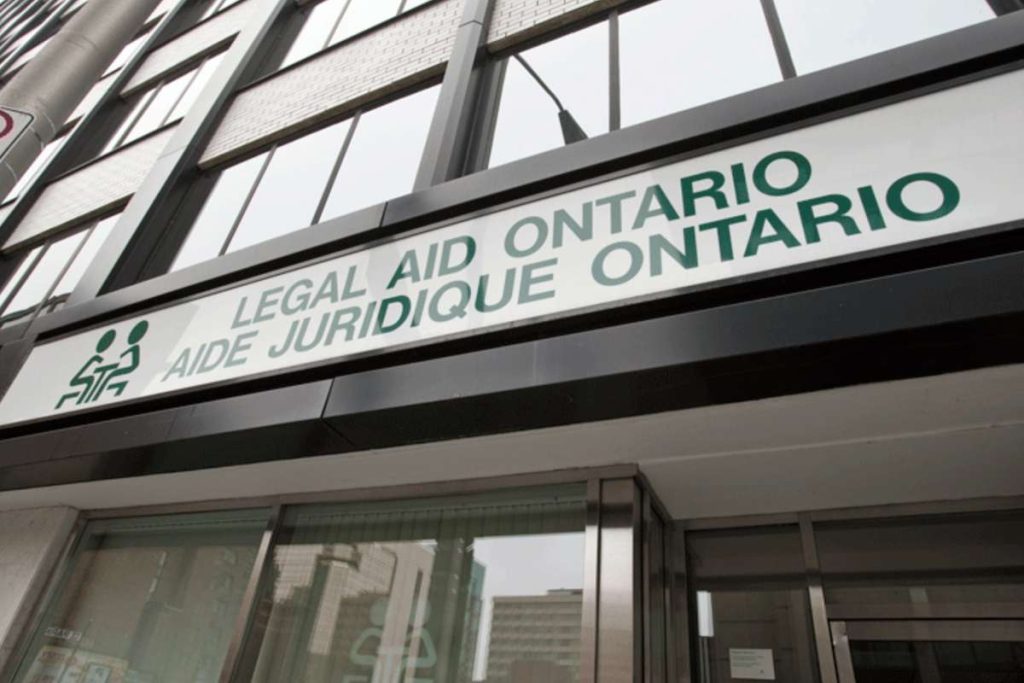
You may also want to apply for legal aid if you’re dealing with multiple legal issues at once, such as housing problems or employment disputes alongside your social assistance application. Getting help early prevents small issues from becoming bigger barriers to the support you need.
Common Questions About Social Assistance Applications
You likely have questions about how social assistance works in practice. Here are answers to concerns we hear often from people navigating the application process.
Can I work while receiving social assistance?
Yes, you can work while receiving assistance. Both Ontario Works and ODSP have earnings exemptions that allow you to keep a portion of what you earn without it affecting your benefits, though you must report all income to your caseworker.
What if my application is denied?
You have the right to appeal a denial through the Social Benefits Tribunal. The tribunal is an independent body that reviews decisions, and you can have legal support or an advocate assist you with your appeal.
Will applying affect my immigration status?
Generally, receiving social assistance does not directly affect most immigration applications, though immigration rules are complex and vary by program. If you have concerns about your specific situation, speak with a community legal clinic that handles both social assistance and immigration matters.
How long can I receive support?
There’s no predetermined time limit for assistance if you continue to meet eligibility requirements. Your situation will be reviewed periodically, and you’ll need to report changes in your circumstances, but support continues as long as you qualify.
Many applicants worry about asset limits. While there are limits on how much you can own and still qualify, these rules account for essential items like your home, vehicle, and personal belongings. The specific amounts and what counts as an exempt asset depend on your household composition and the program you’re applying for. Your caseworker will explain what applies to your situation.
People often ask about the decision timeline. Processing times vary based on how complete your application is, whether additional verification is needed, and current workload at your local office. Some applications are processed relatively quickly, while others take longer. If you’re experiencing urgent financial hardship, let your caseworker know, emergency assistance may be available while your full application is reviewed.
Remember that you’re not expected to navigate these complexities alone. Legal clinics like Clia can answer your specific questions and ensure you understand your rights throughout the process.