
What Community-Centric Legal Representation Means for the G Community in West Toronto
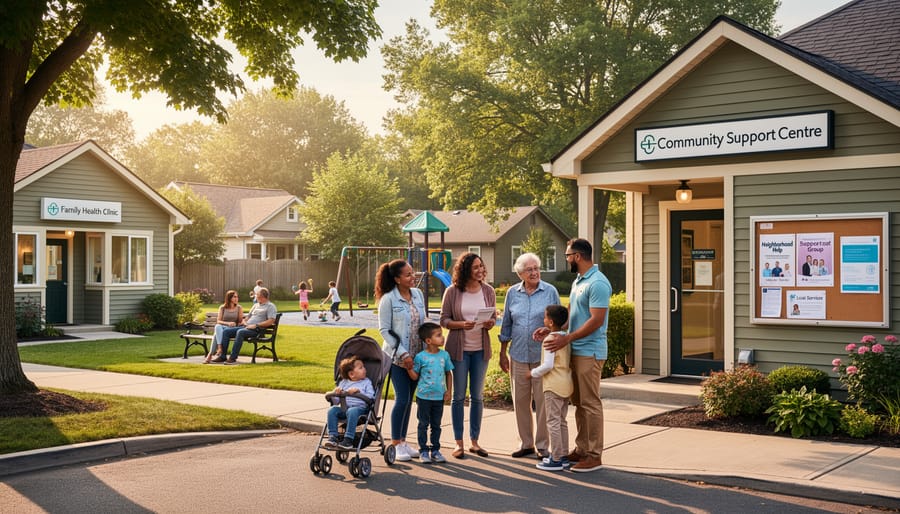
“G community” doesn’t have one fixed meaning, and that’s okay. In West Toronto, people use it to describe the neighbourhoods, families, newcomers, tenants, workers, and local groups who look out for one another. Community-centric legal representation means getting legal help from people who understand the everyday pressures of that community, and who treat your problem as part of a bigger picture, not just a file number.
That matters if you’re dealing with a landlord dispute, a problem at work, a social assistance issue, or an immigration question. These situations can feel isolating, especially when paperwork piles up and deadlines loom. A community-based legal clinic like Clia is built around a different idea: that people facing these challenges deserve support, respect, and a real chance to be heard.
This article explains what community-centric legal help looks like, who it’s meant for, and how it can fit into your life in West Toronto. We’ll keep the language plain and the steps clear. Services, eligibility, and how things work can change, so confirm the details with Clia directly before you count on them. And nothing here is legal advice. It’s a starting point for understanding your options, so you can reach out with more confidence and less worry.
What Does “G Community” Mean, and Why Does It Matter in Legal Help?
“G community” doesn’t have one fixed meaning, and that’s okay. Depending on who’s searching, it might point to a neighbourhood, a cultural or language group, a circle of families who look out for one another, or people brought together by a shared experience. In this article, we use the phrase in that broad, welcoming sense. If you see yourself in it, whether you’re a longtime neighbour, a newcomer, a parent, a tenant, or a worker, then this is written with you in mind.
Why does the way we define community matter when legal trouble shows up? Because people in the same community often run into the same barriers. Language can make forms and letters hard to read. Cost can make it feel like help is out of reach. Fear of getting it wrong, or of what a system might do, can keep people quiet. And unfamiliar processes can make even a small problem feel enormous. When help is built around those shared realities, people tend to feel safer asking for it.
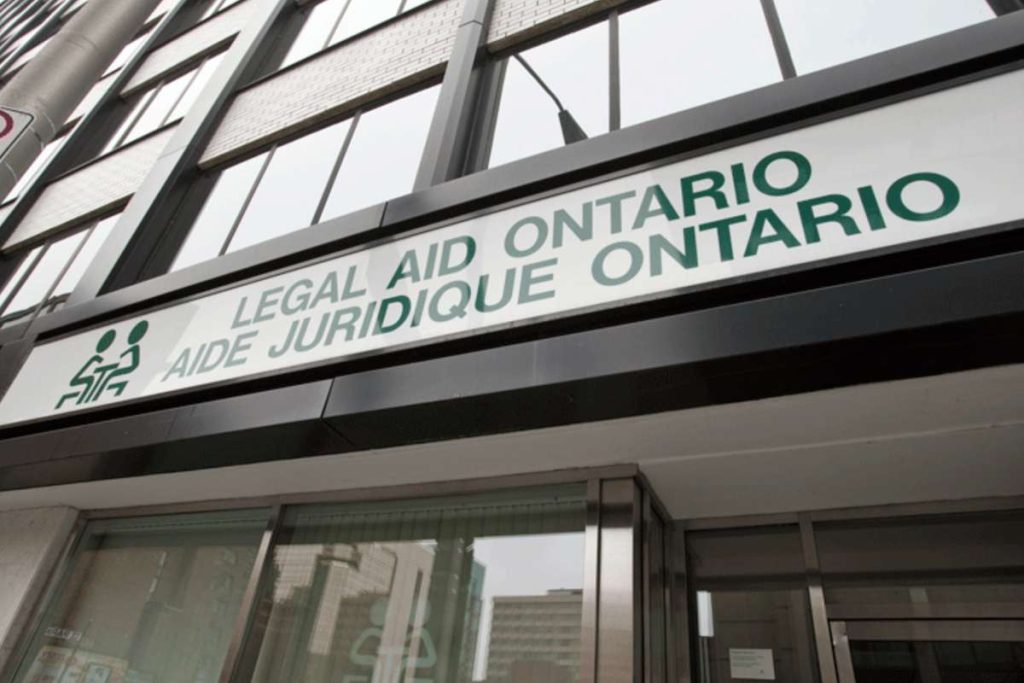
Clia offers free legal services to low-income individuals and families in West Toronto. If you’re not sure whether your situation fits, please don’t count yourself out. Just reach out and ask. Details such as who qualifies and what help is available can change, so confirm them directly with Clia. You can also learn about other options through Legal Aid in Ontario.
How Community-Centric Legal Representation Works

Listening First: Your Story Shapes the Support
When you’re dealing with a legal problem, the hardest part can be finding the words. Stress makes it difficult to think clearly. Language can feel like a wall. Past experiences with offices and officials may leave you wary of saying too much.
That’s why listening comes first. A community-based approach starts by letting you tell your story in your own way and at your own pace, without judgment. Your lived experience isn’t a side detail. It’s essential information about what you’re facing and what matters most to you.
Respectful, culturally sensitive communication helps here. It can mean taking time to understand how you describe your situation, avoiding jargon, and treating your concerns as valid. People who feel heard tend to share more openly, and that gives them a better chance of understanding their options.
If you’re unsure how to begin, you don’t need a perfect explanation. Start with what you know, and the conversation can grow from there.
From First Contact to Next Steps
Reaching out for help can feel like a big step, so it helps to know what usually comes next. Most community legal organizations begin with a conversation. You explain what is happening in your own words, at your own pace, and the person listening tries to understand the full picture, not just the legal part.
After that, you may be asked to share any papers connected to your situation, such as letters, notices, emails, a lease, or pay records. If you don’t have everything, that’s okay. Bring what you have and say what’s missing.
From there, you can learn about your options and talk through what might come next. This is also a good time to ask questions, including ones that feel small. There are no silly questions when your housing, income, or family is on the line.
Keep in mind that steps and eligibility can vary from one situation to another, and this is a general picture only. Please confirm current details directly with Clia so you know what to expect for your own circumstances.
Legal Issues Neighbours Often Face in West Toronto

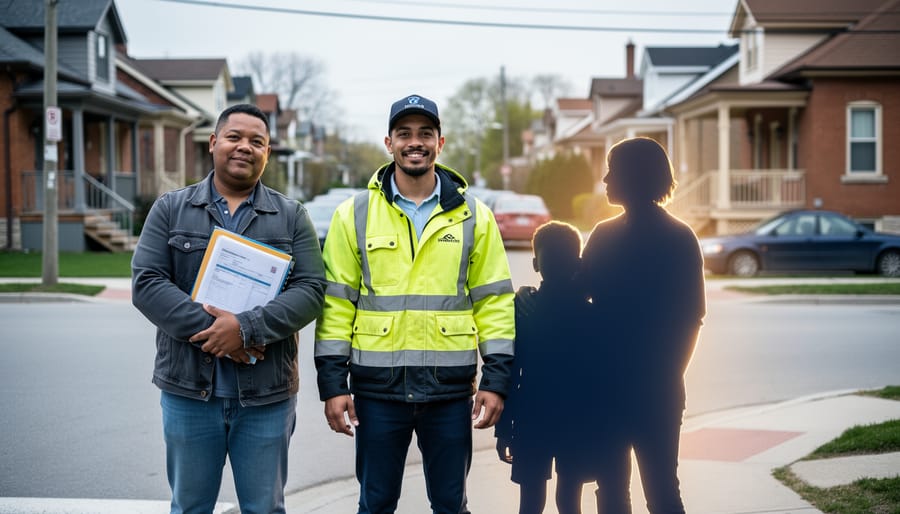
Neighbours in West Toronto bring many kinds of legal worries to Clia. Most of them are tied to the basics of daily life: a home, a paycheque, a benefit cheque, or the chance to build a future in Canada. Here are four areas where Clia works, described in everyday terms.
| Type of issue | Everyday examples | Why community-based support can help |
|---|---|---|
| Landlord and tenant | Repairs that never get done, a rent increase you don’t understand, or a notice that leaves you worried about your home | Someone from your own neighbourhood understands local housing and can help you make sense of the paperwork |
| Employment | Unpaid wages, sudden changes to your hours, or feeling treated unfairly at work | You can talk it through without fear of judgment, even if you’re worried about losing your job |
| Social assistance | A benefit that was reduced or stopped, or forms that feel confusing | Support in understanding what is being asked of you, in language that makes sense |
| Immigration | Applications, long waits, and unclear instructions about what comes next | Help from people who know that newcomers often face language and cost barriers |
Take housing. Many tenants are stuck when a landlord won’t fix a serious problem at home, and they aren’t sure where to turn. Work problems can feel just as heavy, especially when your income depends on the very person you’re concerned about.
Systems like social assistance and immigration are often the hardest to face alone. The forms are long, the rules change, and a single mistake can feel costly. People in the same community have often been through something similar, so trusted neighbours and community organizations can point you in the right direction. If you’re a newcomer, free immigration help may be one way to start sorting out your next steps, and it’s worth confirming the details with Clia.
Every situation is different, and no article can tell you how your own case might turn out. If you recognize yourself in any of these examples, reach out to Clia. They can talk with you about your situation and explain what support may be available.
Advocacy and Justice: What Community-Based Support Aims to Do
Advocacy and justice sit at the heart of community-based legal support. At Clia, the aim is to help neighbours understand where they stand, find their way through unfamiliar legal systems, and seek outcomes that are fair.
In practice, that often starts with making sense of the situation. A notice, a form, or a decision letter can feel final and confusing at the same time. Community-based support works to explain what a document may mean, what options might be available, and what steps could come next. The goal is clarity, so you can make informed choices about your own life.
Advocacy also means standing alongside people as they deal with landlords, employers, benefit offices, and government processes. Because the support is rooted in the neighbourhood, it tends to reflect the real barriers people face, such as cost, language, and fear of getting it wrong. Access to justice is about reducing those barriers so that being low-income does not mean going without help.
An honest note belongs here too. No organization can promise a particular result. Every situation is different, and outcomes depend on the facts, the rules that apply, and decisions made by others. What a community-based approach can offer is respectful, careful support and a genuine effort to pursue fair treatment.
Clients are partners in this work. Your story, your priorities, and your experience are treated as essential, and you stay at the centre of every decision along the way.
Common Questions About Free Legal Help in the Community
Many people feel nervous before reaching out, and that is completely understandable. Here are some of the questions neighbours ask most. For anything specific to your situation, please confirm details directly with Clia.
Is the help really free, and who can use it?
Clia is a community-based organization in West Toronto that offers free legal services to low-income individuals and families. Eligibility can depend on your situation, so confirm with Clia whether you qualify.
What if I’m worried about my immigration status?
You are welcome to ask questions and be heard without judgment. Confirm with Clia how they can support your particular situation.
What should I bring when I reach out?
Letters, notices, forms, or messages connected to your issue are usually helpful, but you don’t need everything organized. Clia can tell you what to gather.
What if I don’t speak English well?
Please say so when you make contact. Confirm with Clia what language support is available to you.
What if my problem isn’t one of the listed areas?
Ask anyway. If Clia isn’t the right fit, they may be able to point you toward other help.
If you’re also thinking about provincial options, you can learn how to apply for legal aid alongside reaching out to a community organization. Keep in mind that no one can promise a particular result, and this article is general information, not legal advice. The most helpful step is often the simplest one: ask. If you’re unsure whether your situation fits, a short conversation can clear things up.
Why Strong Communities Make Strong Legal Support
When neighbours trust one another, legal help becomes easier to reach. People share what they’ve learned, point each other toward support, and feel less alone when a problem lands on their doorstep. However you define your own g community, that shared connection is what makes community-centered legal help feel safe to ask for.
No one has to face a legal problem alone. If you’re unsure about your situation, you’re welcome to contact Clia. This article is general information, not legal advice.