

How to Check If You Qualify for the Government of Canada Online Accounts Class Action Settlement
If you were affected by the privacy breach involving Government of Canada Online Accounts between March 1, 2020 and December 31, 2020, you may be a Class Member and could qualify for compensation. The deadline to submit a claim is September 13, 2027, so there’s time, but it’s smart to start gathering your information now.
This settlement relates to the alleged unauthorized access of personal and financial information in those online accounts. If you used one during that window, checking your eligibility is the first step. It doesn’t cost anything, and you shouldn’t ever have to pay someone to do it for you.
We know that legal notices can feel confusing, and that many newcomers and families on tight budgets worry about getting it wrong or being targeted by scams. That’s a fair worry. This guide walks you through what to gather, how to stay safe, and how to check your eligibility in plain language. A few details, like the amounts and how to file, haven’t been confirmed yet, and we’ll be upfront about that instead of guessing. You deserve clear, honest information, and you deserve to have your claim heard.
What Class Action Settlements Are and Why This One Matters for Our Community

A class action settlement is a way for a large group of people who were hurt by the same problem to seek compensation together. Instead of each person starting their own court case, which would be slow, stressful and expensive, one case is brought on behalf of everyone affected. If the case settles, the people who qualify can usually make a claim.
You might hear the term “Class Member.” It simply means you belong to the group of people the case covers. Each settlement spells out who is in that group, often by describing a time period or a type of experience. If your situation fits that description, you may be a Class Member and could be able to claim.
This is part of why group cases matter. They let many people, including those who could never afford a lawyer on their own, have a voice at the same time. You don’t have to carry the weight of this alone.
This settlement hits close to home for our community. Many West Toronto residents use Government of Canada online accounts for benefits, taxes and immigration matters. A privacy breach involving those accounts between March 1, 2020 and December 31, 2020 can affect newcomers and low-income families directly, since the personal and financial information inside those accounts is exactly what people need to protect. Knowing your options is a first step toward getting the support you deserve.
Key Details of the Government of Canada Online Accounts Settlement
Let’s look at what we can confirm right now. The case involves Government of Canada Online Accounts, and the privacy breach date range runs from March 1, 2020 to December 31, 2020. If you used one of these accounts during that time, this settlement may be relevant to you.
The settlement relates to unauthorized access allegations, meaning claims that someone got into personal and financial information held in these accounts without permission. People who experienced the breach may be Class Members, and they could qualify for compensation.
The most important date to remember is September 13, 2027. That is the deadline to submit a claim.
Here is what we can’t confirm in this article:
– The settlement amounts
– Who is covered geographically
– Who administers the settlement
– Exactly how to file a claim
We would rather tell you that plainly than guess and send you in the wrong direction. Please read the official settlement notice for these details, and don’t rely on anyone who offers figures or filing steps without pointing to it. If the notice feels confusing, or English isn’t your first language, Clia is here to help you go through it and confirm what applies to you. You don’t have to figure this out alone.
What to Gather Before You Start: Documents and Tools You May Need
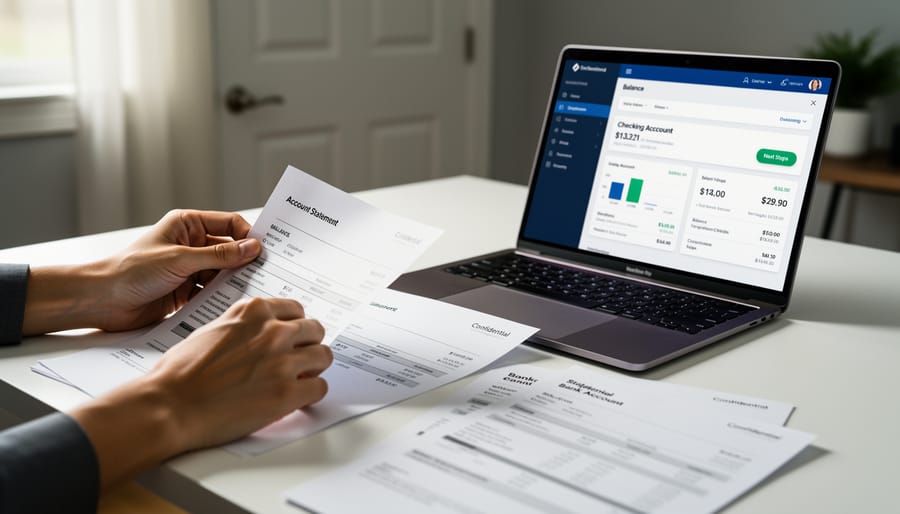
Before you start checking whether you may be a Class Member, it helps to pull a few things together. None of this has to be perfect, and you don’t need a stack of paperwork. Here’s what can make the process smoother:
- Access to any Government of Canada online accounts you used in 2020, such as accounts for taxes, benefits, or immigration.
- An email address you can reliably check, since important updates may arrive there.
- A mailing address where you can receive letters, even if it’s a trusted friend’s or a community address.
- Any notices, emails, or letters you received about a privacy breach.
- A calendar or phone reminder to track the September 13, 2027 claim deadline.
If you can’t find a letter, no longer remember your login, or only have some of these items, please don’t let that stop you. Missing papers are very common, and plenty of people start without a complete file. What matters most is reaching out early rather than giving up.
We also know that not everyone has easy access to a computer, a steady internet connection, or information in their first language. At Clia, we can help you work through the technology side, explain notices in plain language, and make sure you aren’t facing this alone.
Stay Safe: Scam Warnings and When to Pause Before You Share Information
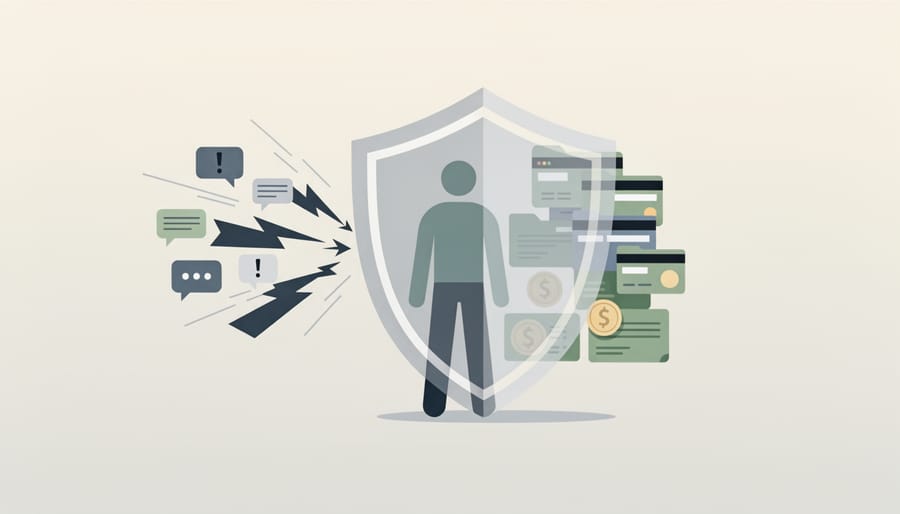
Because this settlement is about personal information that may have been accessed without permission, scammers sometimes try to take advantage of the worry people feel. You haven’t done anything wrong if you get a strange message. These tricks are designed to look real, and they catch careful people all the time.
A few simple rules can help you stay protected:
Be cautious about unexpected texts, emails, or calls that ask for your Social Insurance Number or banking information. Real settlement information doesn’t usually arrive as a surprise request for private details.
Only rely on what’s in the official settlement notice. If a message gives you a different website or phone number, don’t use it just because it looks convincing.
Take your time. Pressure to “act now” is a common sign that something is off.
If a message feels wrong, stop and pause. You can ask someone you trust to look at it with you, or reach out to Clia for free, friendly support. Asking for help is always a smart move, and no question is too small.
Step by Step: How to Find Out If You May Be a Class Member and Take the Next Move
If You Are Not Sure Your Dates Match
It’s common to be unsure when, or whether, your account was affected. Many of us used government online accounts for taxes, benefits, or immigration matters and didn’t keep notes. That’s okay. Don’t guess, and please don’t skip the claim just because you can’t remember.
Here’s a simple way to move forward:
- Think back to March 1, 2020 through December 31, 2020. Did you use a Government of Canada online account during that time?
- Gather what you can: old emails, letters about a breach, or account records.
- Read the official settlement notice carefully to see how a Class Member is defined.
- If you may be a Class Member, submit a claim before September 13, 2027, using the method in the notice.
Being unsure doesn’t mean you’re out. We can’t promise eligibility, but you deserve a real answer. If your account was tied to an immigration file, we offer free immigration help and Clia can walk through the notice with you.
Confirming Your Claim and What Comes Next
Once you’ve submitted a claim, keep a record of everything. Save a copy of what you sent, along with any confirmation you receive, in a safe place. A screenshot or a printed page works fine.
Then put September 13, 2027 in your calendar or phone, with a reminder a few weeks ahead. Watch your email and mailing address for follow-up messages, and make sure you only trust information that comes from the official settlement notice.
We can’t confirm timing or payment details here, so check official updates for those. If a notice confuses you, or you have immigration-related account concerns or another legal issue connected to a privacy breach, our team is here for you. You can also explore free legal resources and reach out to Clia for support. You don’t have to work through this alone.
Common Questions About Class Action Settlements
Do I need a lawyer to make a claim?
Class action settlements are designed so many people can seek compensation together, and you generally don’t need to hire your own lawyer to start. The official settlement notice will explain the details. If you’re unsure, Clia can help you understand what the notice means for you.
Will joining a settlement affect my immigration status or benefits?
We can’t say for certain, because everyone’s situation is different and the settlement terms haven’t been confirmed here. Please talk with us before you file if you receive benefits or have an immigration matter underway, so you can decide with confidence.
What if I no longer have the account or no longer live in Canada?
Whether you may be a Class Member depends on the official class definition, and the geographic scope isn’t confirmed here. Read the official settlement notice carefully, and reach out if you need help making sense of it.
What if I miss the deadline?
The verified claim deadline is September 13, 2027, so mark it on your calendar now. Don’t wait until the last minute, since missing it could mean losing your chance to claim.
A few more gentle reminders: take details like cost, amounts, and how to file only from the official notice, and never from texts or calls asking you to pay. If cost is a worry for any legal matter, you may be able to apply for legal aid and our team is here to point you in the right direction.
Class action settlements exist for a simple reason: no one should have to seek justice alone. If your Government of Canada online account was affected by the privacy breach between March 1, 2020 and December 31, 2020, you may be a Class Member, and you may qualify for compensation. The deadline to submit a claim is September 13, 2027, so put it on your calendar today.
Some details, like the exact filing steps, are best confirmed in the official notice. You don’t have to sort through it by yourself. If you have questions about this settlement or any other legal challenge, reach out to Clia for free, caring support, and see how our team can help. We’re here for you.